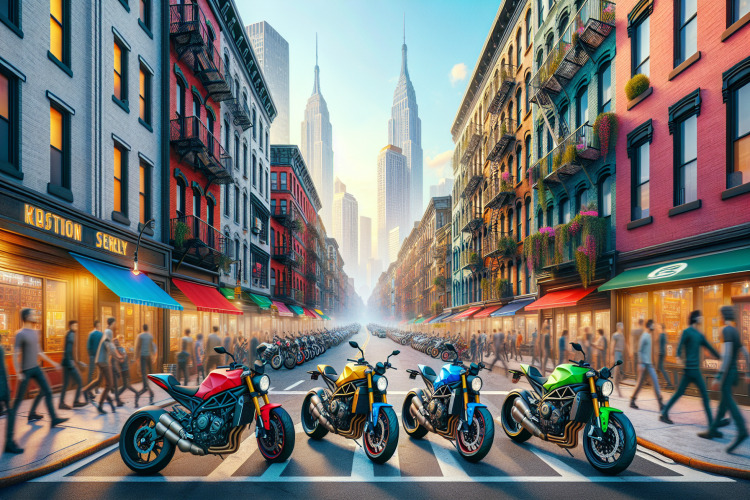
Five Overlooked Naked Motorcycles to Watch in 2026
As we look ahead to 2026, several naked motorcycles are poised to make a significant impact, yet remain under the radar....
Are you considering buying a motorcycle but unsure which type to choose? There are many factors to consider, including the environmental impact, cost, performance, range, maintenance and accessibility. In this article, we will explore each of these factors in detail to help you make an informed decision. We'll compare electric and petrol motorcycles and provide insights into their respective advantages and disadvantages. By the end of this article, you'll have a better understanding of which type of motorcycle is right for you. So let's dive in!
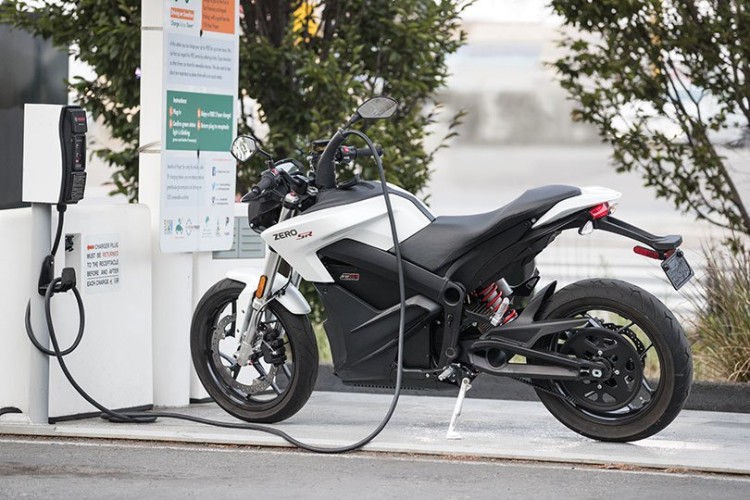
When it comes to choosing between an electric and gasoline motorcycle, one of the most important factors to consider is their environmental impact. Electric motorcycles are often touted as being more environmentally friendly than their petrol counterparts, but is this really the case?
The truth is that both types of motorcycles have an impact on the environment, but in different ways. Gasoline motorcycles emit harmful pollutants into the air, contributing to air pollution and climate change. On the other hand, electric motorcycles produce zero emissions while riding, making them a cleaner option for those looking to reduce their carbon footprint.
However, it's worth noting that the production of electric motorcycles still has an environmental impact due to the manufacturing process and disposal of batteries. It's important to consider the entire lifecycle of a motorcycle when assessing its environmental impact.
When it comes to purchasing a motorcycle, one of the most important factors to consider is cost. Electric motorcycles are often more expensive upfront than their petrol counterparts, but they can save you money in the long run. The cost of electricity is significantly lower than petrol, and electric motorcycles require less maintenance. Additionally, some countries offer incentives for purchasing electric vehicles, such as tax credits or rebates.
However, it's important to note that the initial cost of an electric motorcycle may be a barrier for some riders. Petrol motorcycles are generally less expensive upfront and have been around longer, so there are more options available at different price points. It's also worth considering the cost of charging an electric motorcycle if you don't have access to free charging stations. You may need to install a charging station at home or pay for public charging.
If you're looking for a budget-friendly option, a petrol motorcycle may be the way to go. However, if you're willing to invest more upfront and prioritize long-term savings and environmental impact, an electric motorcycle could be a better choice.
When it comes to performance, there is no doubt that petrol motorcycles have been the go-to choice for many riders. They offer a raw power and acceleration that electric motorcycles simply cannot match. However, this does not mean that electric motorcycles are lacking in performance. In fact, they have their own unique advantages that make them a viable option for many riders.
One of the biggest advantages of electric motorcycles is their instant torque. Unlike petrol engines, which need to build up RPMs to reach peak torque, electric motors deliver maximum torque from the moment you twist the throttle. This means that electric motorcycles can accelerate quickly and smoothly without any lag or hesitation. Additionally, because they don't have gears like petrol bikes do, there's no need to shift through gears to get up to speed.
Another advantage of electric motorcycles is their quiet operation. While some riders may prefer the roar of a petrol engine, others appreciate the peace and quiet of an electric motorbike. Not only does this make for a more pleasant riding experience, but it also allows riders to hear other important sounds on the road such as traffic or pedestrians.
When it comes to range, electric motorcycles have come a long way in recent years. With advancements in battery technology, some electric bikes can now travel up to 200 miles on a single charge. However, this is still not quite on par with petrol motorcycles, which can typically travel over 300 miles on a full tank of fuel.
It's important to note that the range of an electric motorcycle can vary greatly depending on factors such as speed, terrain, and weather conditions. Riding at high speeds or uphill will drain the battery faster, while cold temperatures can also reduce the range. On the other hand, petrol motorcycles are generally more consistent in their range regardless of external factors.
For those who plan to use their motorcycle for long-distance touring or commuting, a petrol bike may be the better choice due to its longer range. However, for shorter trips and city riding, an electric motorcycle with its lower operating costs and environmental benefits may be more practical and appealing.
When it comes to maintenance, electric motorcycles have a clear advantage over their petrol counterparts. Electric bikes have fewer moving parts and require less maintenance overall. With no oil changes, spark plugs or air filters to worry about, electric bike owners can save both time and money on routine maintenance tasks.
In addition to being easier to maintain, electric motorcycles also tend to be more reliable than petrol bikes. This is because they have fewer components that can break down or wear out over time. As long as the battery is properly maintained and charged, an electric bike should provide trouble-free operation for years to come.
Of course, this doesn't mean that electric bikes are completely maintenance-free. Like any vehicle, they still require regular checks of brakes, tires and suspension components. However, these tasks are generally simpler and less time-consuming than those required for petrol bikes.
When it comes to accessibility, electric motorcycles have a clear advantage over their petrol counterparts. Electric bikes are generally easier to ride and require less skill and experience than petrol bikes. This is because electric motors provide instant torque, which means that the bike can accelerate quickly without the need for gear changes or clutch control. As a result, electric bikes are more accessible to novice riders who may not be comfortable with the complexities of riding a petrol bike.
In addition to being easier to ride, electric motorcycles are also more accessible in terms of maintenance. Electric bikes have fewer moving parts than petrol bikes, which means that there is less that can go wrong. This makes them easier and cheaper to maintain over time. Furthermore, many electric bike manufacturers offer warranties on their batteries and motors, which provides added peace of mind for riders.
Finally, electric motorcycles are becoming increasingly accessible in terms of price. While they were once considered a luxury item reserved for wealthy enthusiasts, the cost of electric bikes has been steadily decreasing in recent years. In fact, there are now several affordable models available on the market that are comparable in price to mid-range petrol bikes. As battery technology continues to improve and production costs decrease, we can expect this trend towards affordability to continue.
Browse bikes for sale or find local dealers to compare options.
As we look ahead to 2026, several naked motorcycles are poised to make a significant impact, yet remain under the radar....
Royal Enfield is reportedly developing six new twin-cylinder motorcycles, aiming for a significant production increase t...
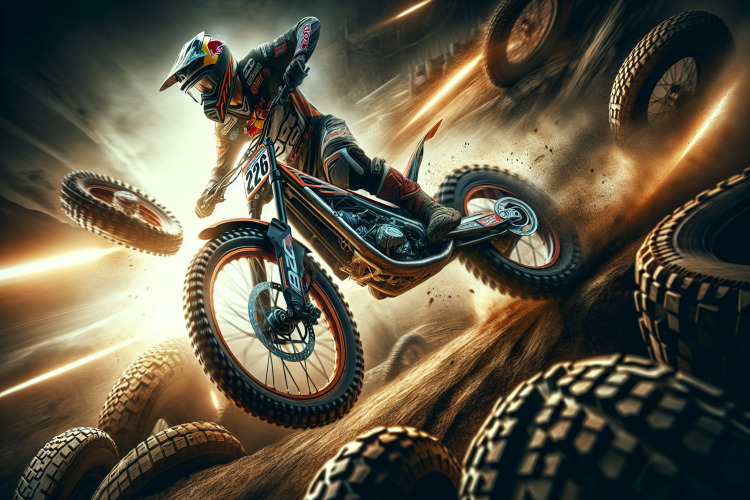
The Beta 2026 Evo 300 4T continues the legacy of four-stroke trials bikes, enhancing accessibility for new riders withou...
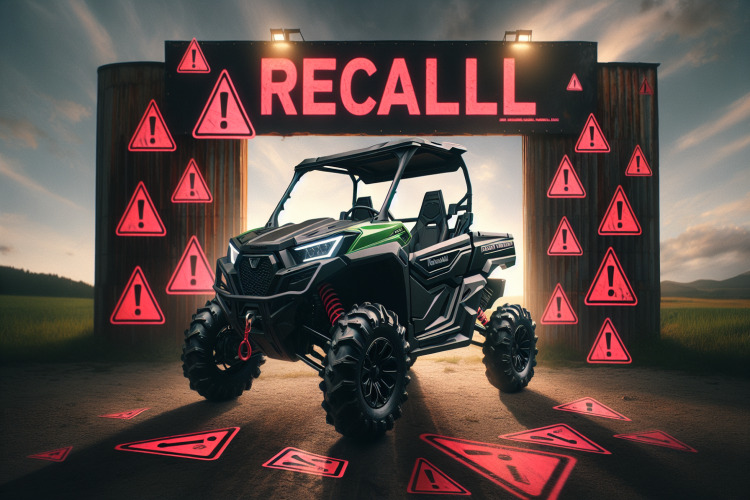
Kawasaki has issued a critical recall for its recently launched Teryx H2 side-by-side vehicle due to serious transmissio...
KTM is gearing up to establish its own design centre, prompting questions about the future of its collaboration with des...
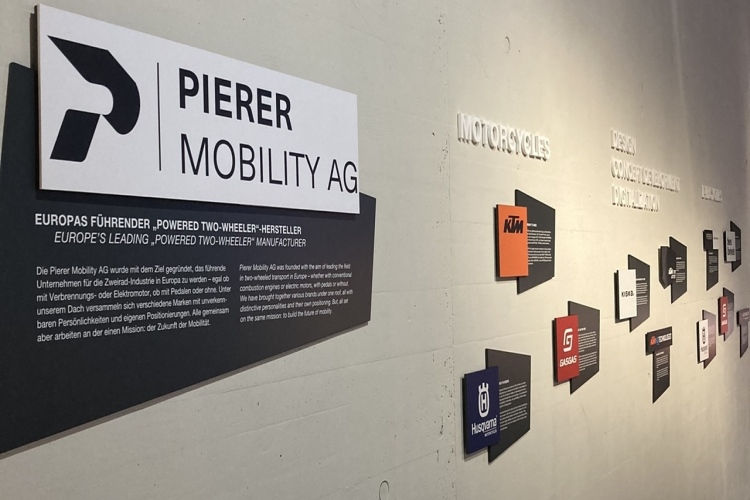
Recently, the media has been circulating numerous reports about the problems of Pierer Mobility AG - the owner of the KT...
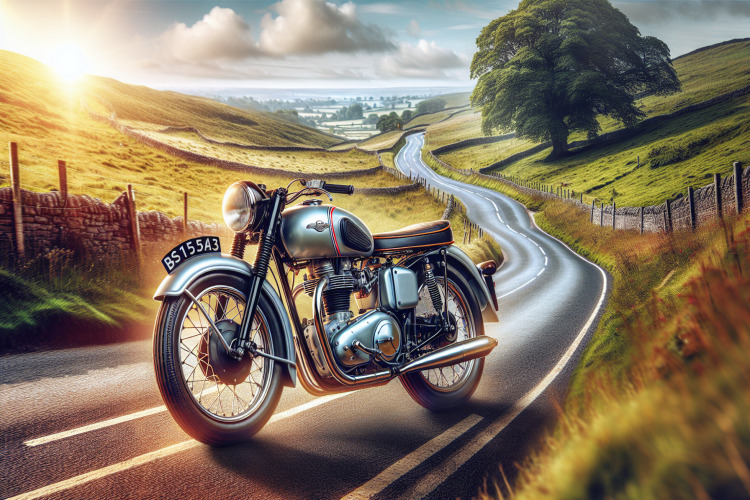
In February, the competition between BSA and Honda intensified in the modern classic motorcycle sector. The BSA Bantam 350 has taken the lead, outpaci...

The 2026 Triumph Trident 660 has received a notable upgrade with a 17% increase in power, making it a more competitive option in the entry-level motor...
Discover what Toad Hancocks and Chris Cope think about the Voge DS800X Rally, an adventure bike that offers incredible value. We delve into its perfor...
As we look ahead to 2026, several naked motorcycles are poised to make a significant impact, yet remain under the radar. While many may highlight the...
The newly unveiled CFMoto 1000 MT-X is set to disrupt the adventure motorcycle market with its astonishing price tag of just €9,999 in Germany. This r...

In a recent public service announcement, conservationist Randy Newberg brought attention to the issue of off-roading, particularly concerning side-by-...

Keeping your textile riding gear clean is essential to maintain its functionality and appearance. With the unpredictable UK weather, it's inevitable t...
The KTM 390 Adventure R melds spirited enduro performance with practical adventure capabilities. Offering an accessible ride for A2 licence holders, i...
Royal Enfield is reportedly developing six new twin-cylinder motorcycles, aiming for a significant production increase to approximately two million bi...
The Beta 2026 Evo 300 4T continues the legacy of four-stroke trials bikes, enhancing accessibility for new riders without compromising performance. Of...
Kawasaki has issued a critical recall for its recently launched Teryx H2 side-by-side vehicle due to serious transmission issues. Owners are advised t...
A Peak District rider experiences an unexpected run-in with the law for holding his smartphone while seated on his motorcycle. This article discusses...