

The Responsibility of Off-Road Riding
In a recent public service announcement, conservationist Randy Newberg brought attention to the issue of off-roading, pa...
Are you looking for an exciting and efficient way to get around in the UK? Do you want to experience the freedom of riding a motorbike, but don't know where to start? Look no further than a CBT training course! With this certification, you can legally ride a motorbike on the UK roads. But what kind of bike can you ride with just a CBT license? In this blog post, we'll explore your options and help guide you towards finding the perfect bike for your needs. So, rev up your engines and let's hit the road!
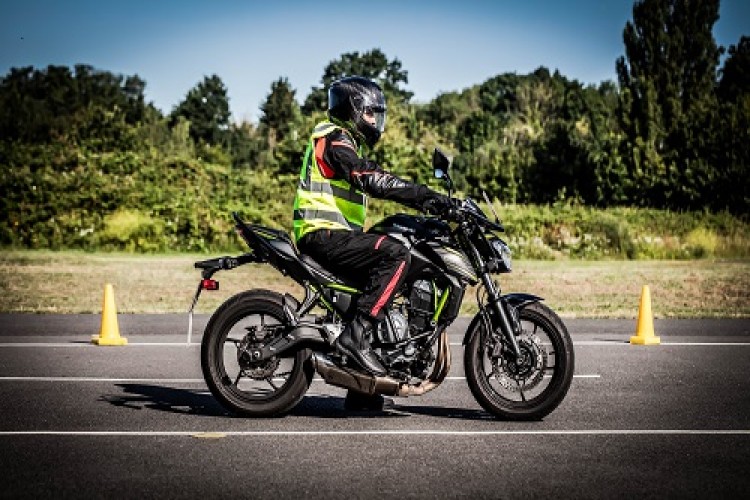
CBT training in the UK is a great way to learn how to ride a motorcycle. Whether you're a beginner or an experienced rider, CBT training can help you improve your skills and become a better rider.
There are many different types of CBT training available in the UK, so it's important to choose the right one for you. If you're not sure where to start, our guide can help you find the best CBT training for your needs.
CBT training usually lasts for around five hours, but it can vary depending on the provider. During CBT training, you'll learn how to control your motorcycle and carry out basic manoeuvres. You'll also be taught how to stay safe on the road and what to do in an emergency.
Once you've completed your CBT training, you'll be able to ride a motorcycle up to 125cc with L plates (provisional licence) for two years. After two years, you can either take your full motorcycle licence test or renew your CBT certificate.
A CBT training is a type of motorcycle training that is required in order to ride a motorcycle on the road in the UK. The training consists of a series of modules that must be completed in order to obtain a certificate that allows you to ride a motorcycle on the road.
There are a few different types of motorbikes you can ride with a CBT training in the UK. The most common type is the 125cc bike, which is perfect for beginners. If you're looking for something a little bigger, you can also ride a 250cc bike. However, you'll need to take an additional motorcycle test to do so.
If you want to ride a motorbike in the UK, you must have a valid driver's license and insurance. You must also complete a CBT (Compulsory Basic Training) course.
To get your motorcycle license in the UK, you must be at least 17 years old and have a valid driver's license. If you're under 21, you must also complete a CBT course. To take the CBT test, you'll need to bring your driver's license, proof of identity, and proof of residency.
Once you've passed the CBT test, you can apply for a motorcycle license. You'll need to take an on-road practical test, as well as a theory test. If you're 21 or over, you can take the tests on a 125cc motorcycle. If you're under 21, you'll need to take the tests on a 50cc or 125cc motorcycle.
To insure your motorcycle in the UK, you'll need to have third-party liability insurance at a minimum. This will cover damages caused by your motorcycle to other people or property. You may also want to consider comprehensive insurance, which will cover damages to your own motorcycle in addition to third-party liability insurance.
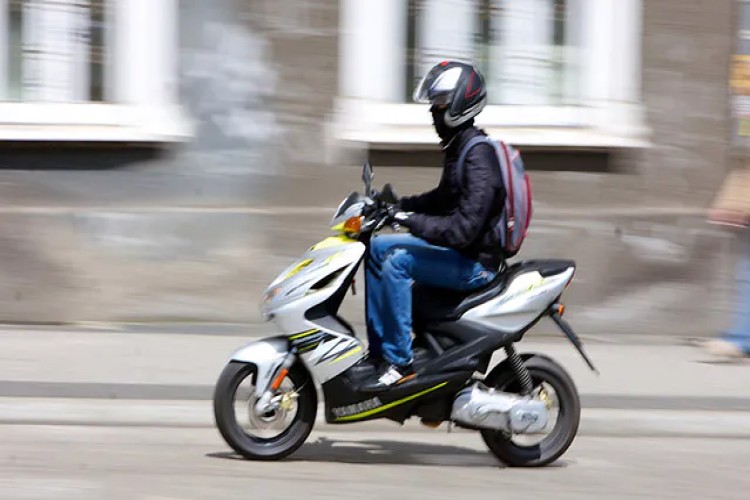
There are a few things you need to consider when choosing the right motorbike for your CBT training in the UK. The first is what kind of bike you want to ride. There are three main types of bikes: scooters, mopeds, and motorcycles. Scooters are the smallest and most lightweight option, making them easy to maneuver and great for beginners. Mopeds are slightly larger and heavier than scooters, but they're still relatively easy to handle. Motorcycles are the largest and heaviest option, and they require more experience to ride safely.
The second thing you need to consider is what size bike you want to ride. Bike sizes are determined by the engine size, measured in cc (cubic centimeters). The smaller the engine size, the easier the bike is to handle. Beginner riders should start with a small bike, around 50cc-125cc. More experienced riders can move up to a medium-sized bike, around 250cc-500cc. And if you're an experienced rider looking for a challenge, you can try a large bike, 750cc or bigger.
You need to think about what kind of riding you want to do. If you're planning on using your bike for commuting or running errands around town, then you'll want a street-legal bike that's comfortable and easy to ride. If you're interested in exploring off-road riding or taking your bike out on trails, then you'll need a
There are many benefits to taking a CBT training course in UK. For one, it can help you become a better and safer driver. It can also help you improve your skills and keep up with the latest trends in driving. In addition, it can also save you money on your insurance premiums.
A CBT training in the UK is a great way to get started on your motorbike journey. With this certification, you are able to ride up to 125cc bikes and scooters, with or without a sidecar. Depending on your experience level and preference, you have several options available including mopeds, sports bikes, cruisers and more. Once you are confident enough in your abilities, you can take further tests to upgrade your license so that you can ride larger motorcycles with even more features. Whichever type of motorcycle best suits your lifestyle and needs; make sure that safety is always at the forefront of every ride!
Browse bikes for sale or find local dealers to compare options.
In a recent public service announcement, conservationist Randy Newberg brought attention to the issue of off-roading, pa...
Looking to buy a second-hand motorcycle? This essential guide offers crucial tips to ensure you select the right bike fo...
Many young motorcyclists can't imagine riding with a stock exhaust. The loud roar of an aftermarket pipe is often their...
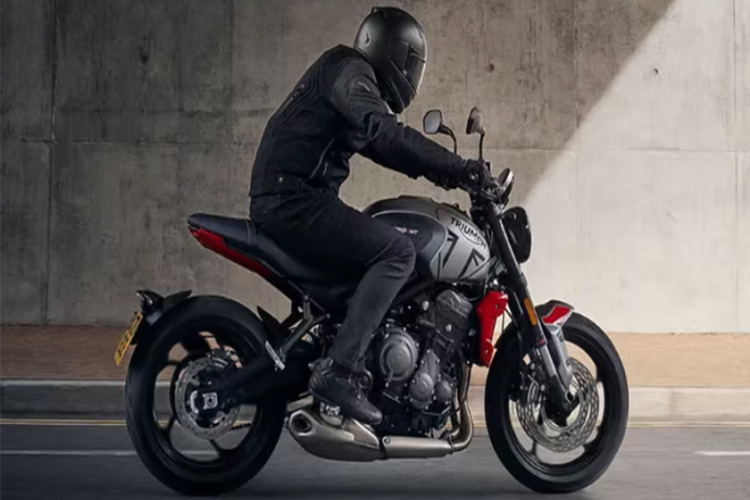
Discover the world of naked motorbikes, characterized by their stripped-down aesthetics and versatile performance. This...
If you're thinking about riding a 50cc moped without a CBT, you may be wondering whether it's legal or not. Riding a mop...
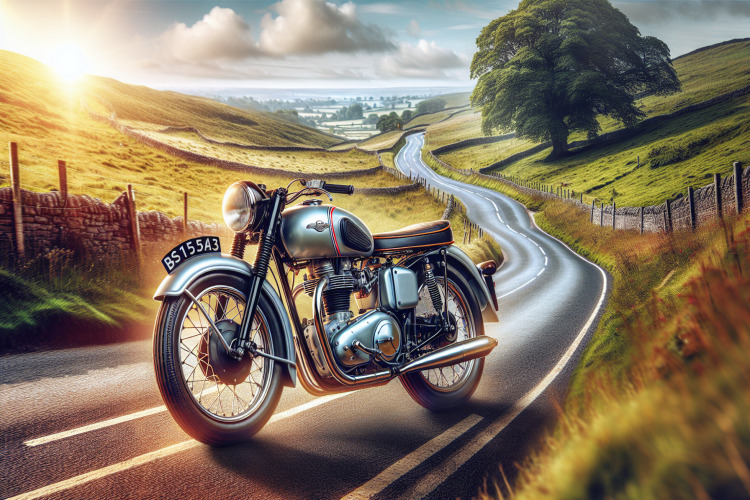
In February, the competition between BSA and Honda intensified in the modern classic motorcycle sector. The BSA Bantam 350 has taken the lead, outpaci...

The 2026 Triumph Trident 660 has received a notable upgrade with a 17% increase in power, making it a more competitive option in the entry-level motor...
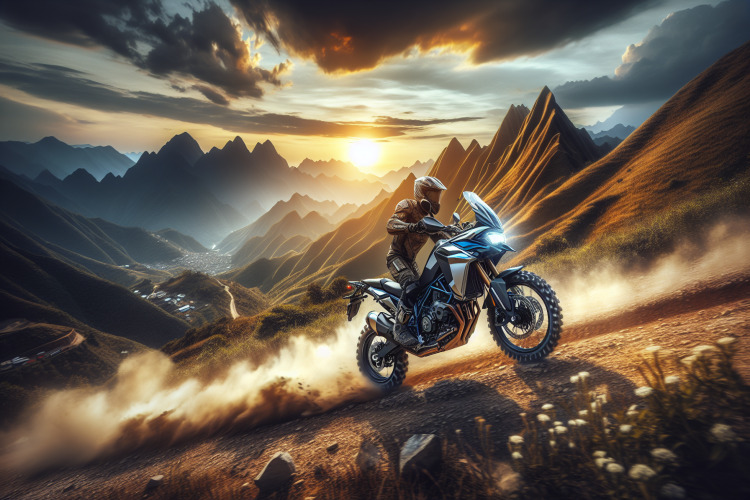
Discover what Toad Hancocks and Chris Cope think about the Voge DS800X Rally, an adventure bike that offers incredible value. We delve into its perfor...
As we look ahead to 2026, several naked motorcycles are poised to make a significant impact, yet remain under the radar. While many may highlight the...
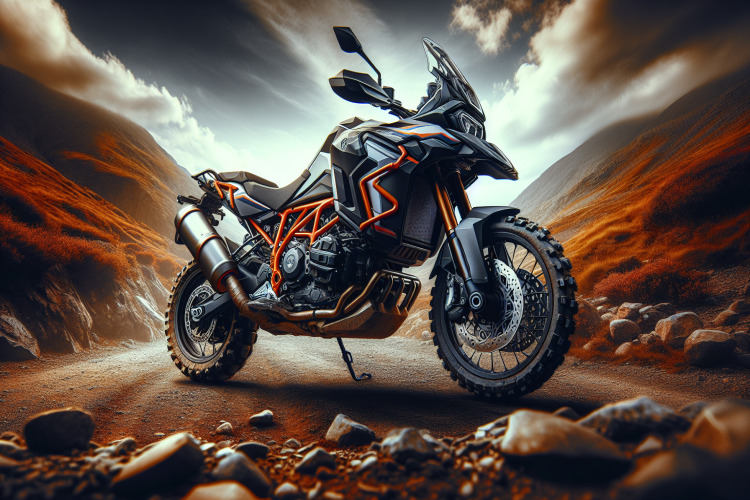
The newly unveiled CFMoto 1000 MT-X is set to disrupt the adventure motorcycle market with its astonishing price tag of just €9,999 in Germany. This r...
In a recent public service announcement, conservationist Randy Newberg brought attention to the issue of off-roading, particularly concerning side-by-...

Keeping your textile riding gear clean is essential to maintain its functionality and appearance. With the unpredictable UK weather, it's inevitable t...
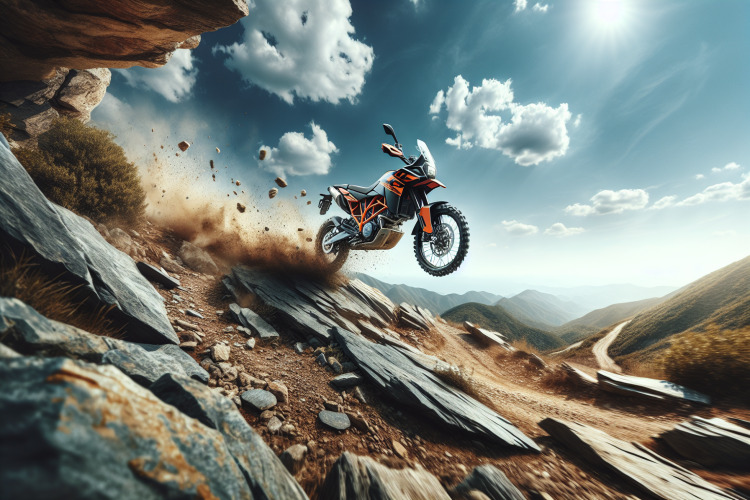
The KTM 390 Adventure R melds spirited enduro performance with practical adventure capabilities. Offering an accessible ride for A2 licence holders, i...
Royal Enfield is reportedly developing six new twin-cylinder motorcycles, aiming for a significant production increase to approximately two million bi...
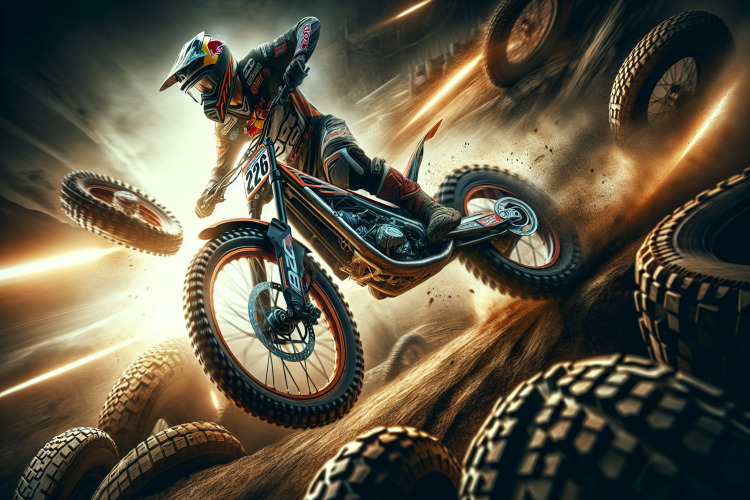
The Beta 2026 Evo 300 4T continues the legacy of four-stroke trials bikes, enhancing accessibility for new riders without compromising performance. Of...
Kawasaki has issued a critical recall for its recently launched Teryx H2 side-by-side vehicle due to serious transmission issues. Owners are advised t...
A Peak District rider experiences an unexpected run-in with the law for holding his smartphone while seated on his motorcycle. This article discusses...