
Essential Guide for Buying a Used Motorcycle
Looking to buy a second-hand motorcycle? This essential guide offers crucial tips to ensure you select the right bike fo...
In a recent public service announcement, conservationist Randy Newberg brought attention to the issue of off-roading, particularly concerning side-by-sides. While many voiced their concerns in the comments, the situation is nuanced. This article explores the responsibilities of off-road riders and the impact of their activities on the environment, along with tips to promote sustainable off-roading practices for both enthusiasts and conservationists alike.
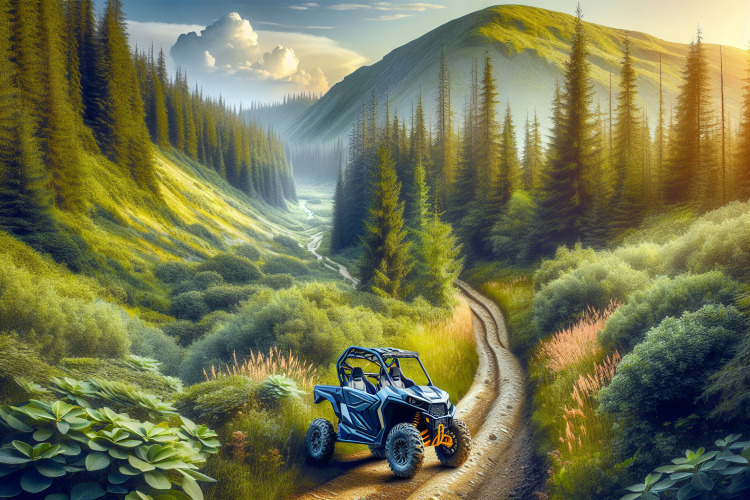
Off-roading has become an increasingly popular activity, appealing to adventure seekers and outdoor enthusiasts alike. However, its rise has sparked a debate over the environmental impact of vehicles, particularly side-by-sides. Recent comments on a public service announcement by conservationist Randy Newberg highlighted this discord, suggesting a division between riders and conservationists.
Side-by-sides and other off-road vehicles can cause significant disruption to natural habitats. Opponents argue that these vehicles can lead to soil erosion, damage plant life, and disturb wildlife. In a landscape where conservation efforts are vital, the voices of those concerned with the environment deserve to be heard. Yet, the conversation should acknowledge the complexity of the issue.
While side-by-sides have their drawbacks, they also enable enthusiasts to enjoy and explore outdoor spaces. Properly used, they can provide access to remote areas for recreation and conservation purposes alike. However, it’s essential to balance enjoyment with responsibility.
Off-road enthusiasts can take several steps to ensure their activities are sustainable and minimise environmental impact:
Encouraging a dialogue between off-roading communities and conservationists is essential for the future of the sport. By listening to each other's concerns, it's possible to find solutions that respect the desire for recreation while protecting natural resources.
Riders must recognise that off-roading can enjoy a symbiotic relationship with conservation. By adopting responsible practices and engaging in open discussions, it's possible to enjoy the thrill of off-roading whilst taking care of the beautiful environments we cherish. As the conversation around side-by-sides continues, it’s crucial for all parties to consider the impact and responsibilities of their actions.
Browse bikes for sale or find local dealers to compare options.
Looking to buy a second-hand motorcycle? This essential guide offers crucial tips to ensure you select the right bike fo...

Many young motorcyclists can't imagine riding with a stock exhaust. The loud roar of an aftermarket pipe is often their...
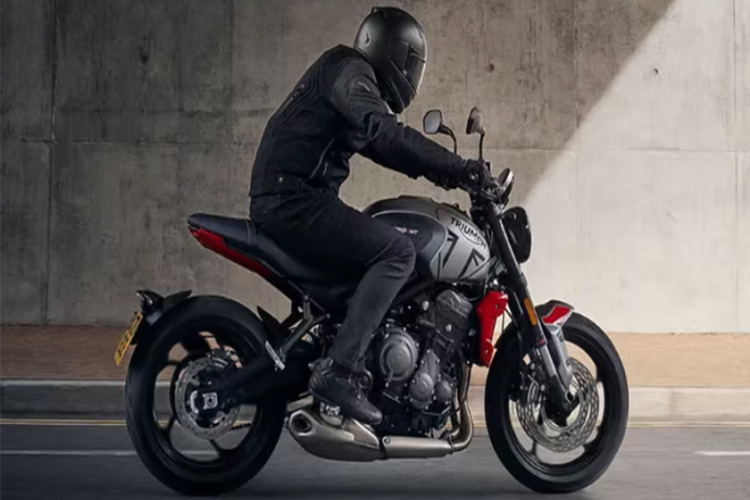
Discover the world of naked motorbikes, characterized by their stripped-down aesthetics and versatile performance. This...
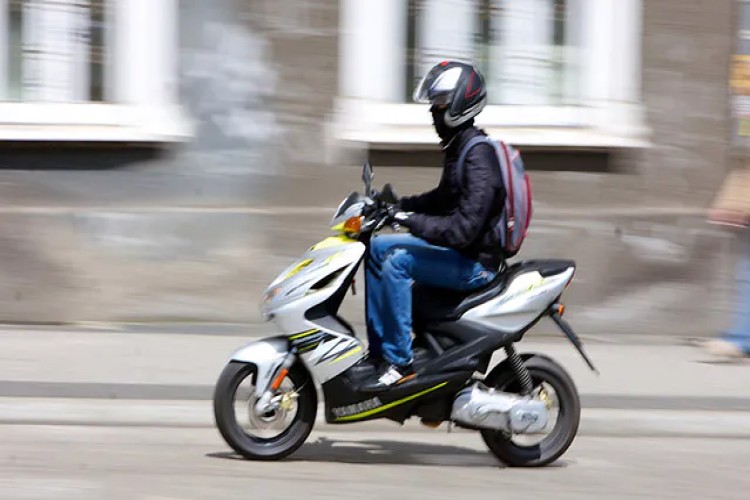
If you're thinking about riding a 50cc moped without a CBT, you may be wondering whether it's legal or not. Riding a mop...
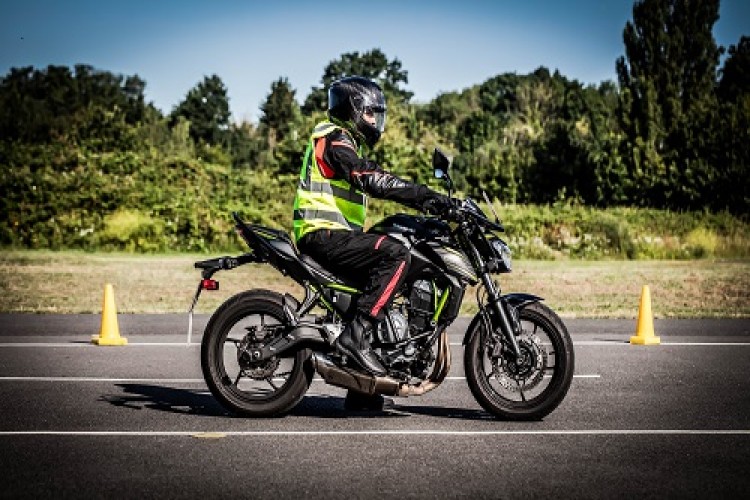
Are you looking for an exciting and efficient way to get around in the UK? Do you want to experience the freedom of ridi...
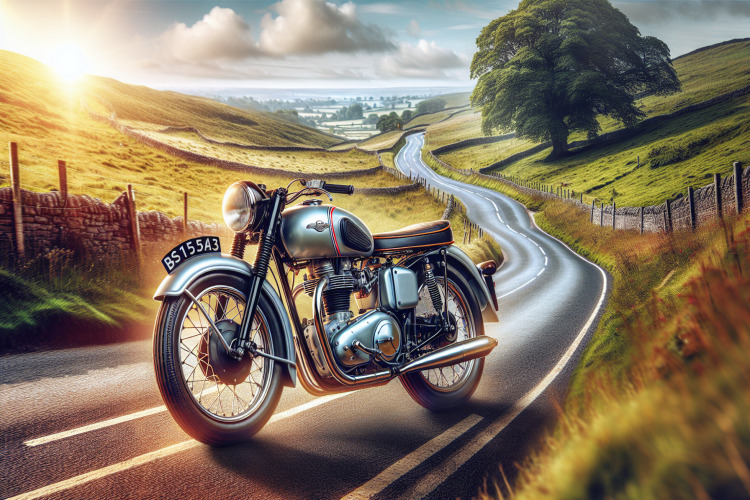
In February, the competition between BSA and Honda intensified in the modern classic motorcycle sector. The BSA Bantam 350 has taken the lead, outpaci...

The 2026 Triumph Trident 660 has received a notable upgrade with a 17% increase in power, making it a more competitive option in the entry-level motor...
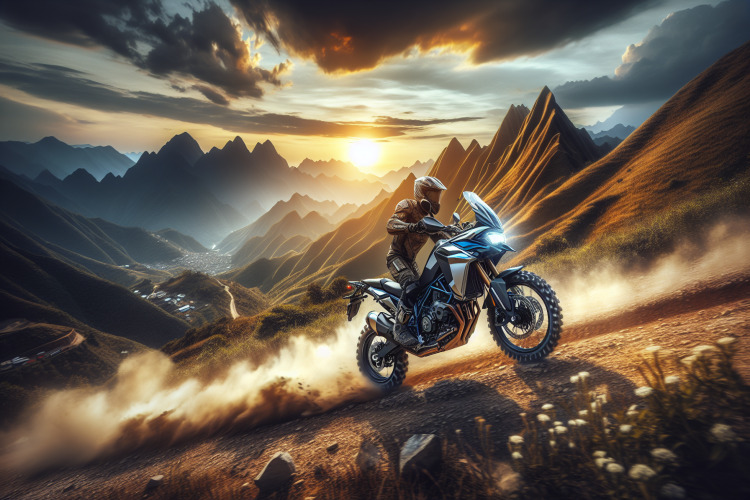
Discover what Toad Hancocks and Chris Cope think about the Voge DS800X Rally, an adventure bike that offers incredible value. We delve into its perfor...

As we look ahead to 2026, several naked motorcycles are poised to make a significant impact, yet remain under the radar. While many may highlight the...
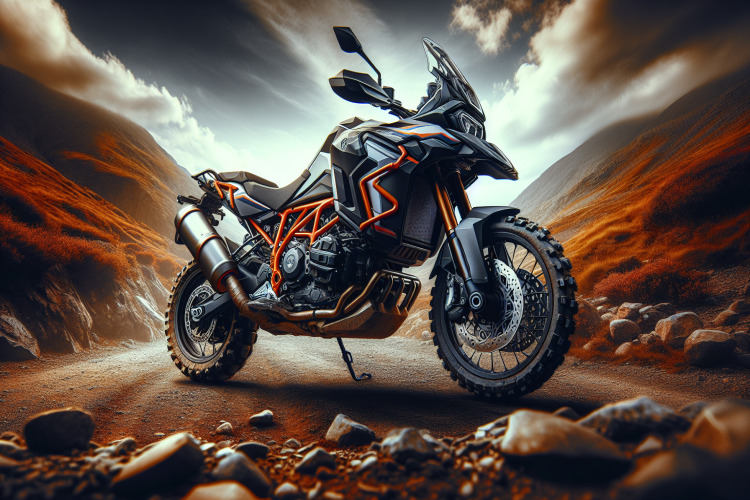
The newly unveiled CFMoto 1000 MT-X is set to disrupt the adventure motorcycle market with its astonishing price tag of just €9,999 in Germany. This r...

Keeping your textile riding gear clean is essential to maintain its functionality and appearance. With the unpredictable UK weather, it's inevitable t...
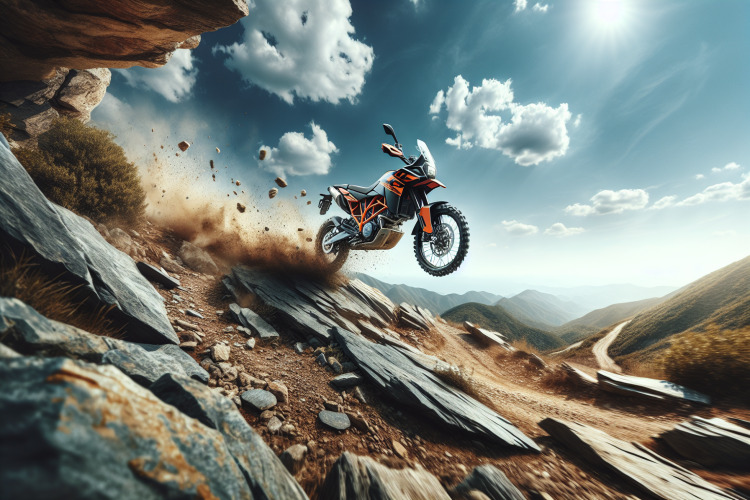
The KTM 390 Adventure R melds spirited enduro performance with practical adventure capabilities. Offering an accessible ride for A2 licence holders, i...

Royal Enfield is reportedly developing six new twin-cylinder motorcycles, aiming for a significant production increase to approximately two million bi...
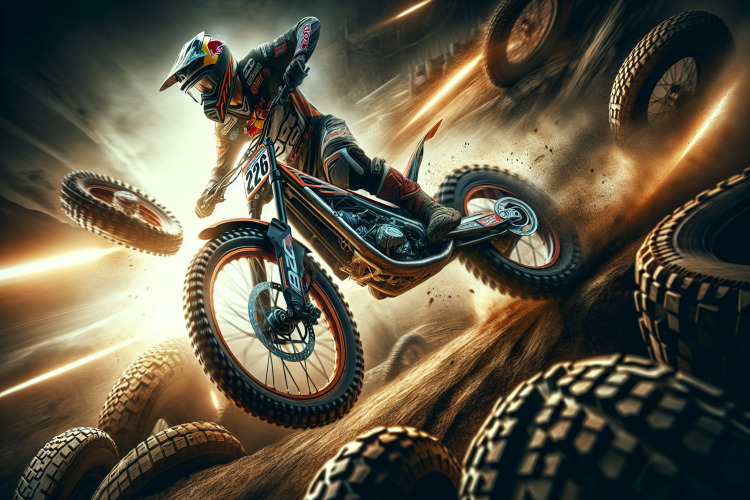
The Beta 2026 Evo 300 4T continues the legacy of four-stroke trials bikes, enhancing accessibility for new riders without compromising performance. Of...
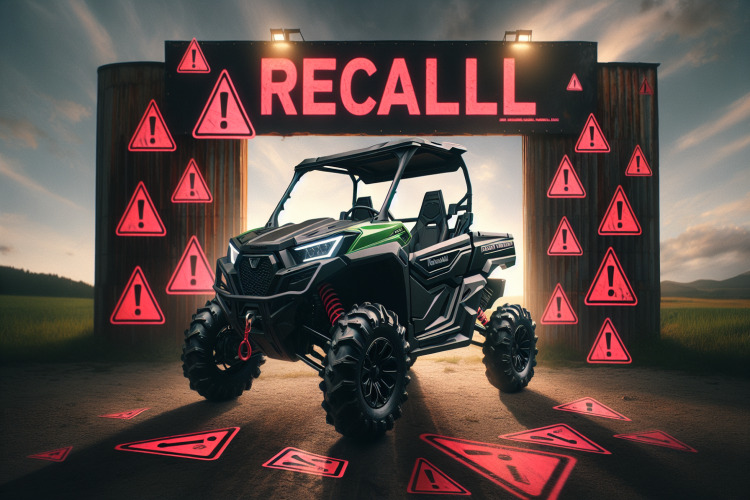
Kawasaki has issued a critical recall for its recently launched Teryx H2 side-by-side vehicle due to serious transmission issues. Owners are advised t...
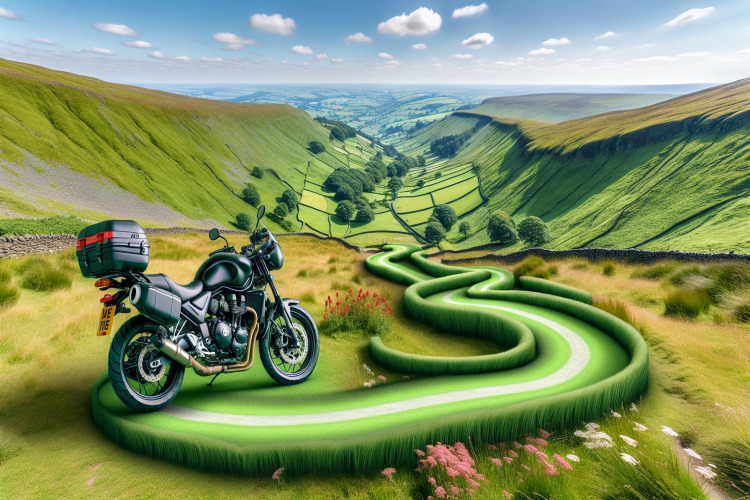
A Peak District rider experiences an unexpected run-in with the law for holding his smartphone while seated on his motorcycle. This article discusses...

KTM is gearing up to establish its own design centre, prompting questions about the future of its collaboration with design experts Kiska. This shift...